

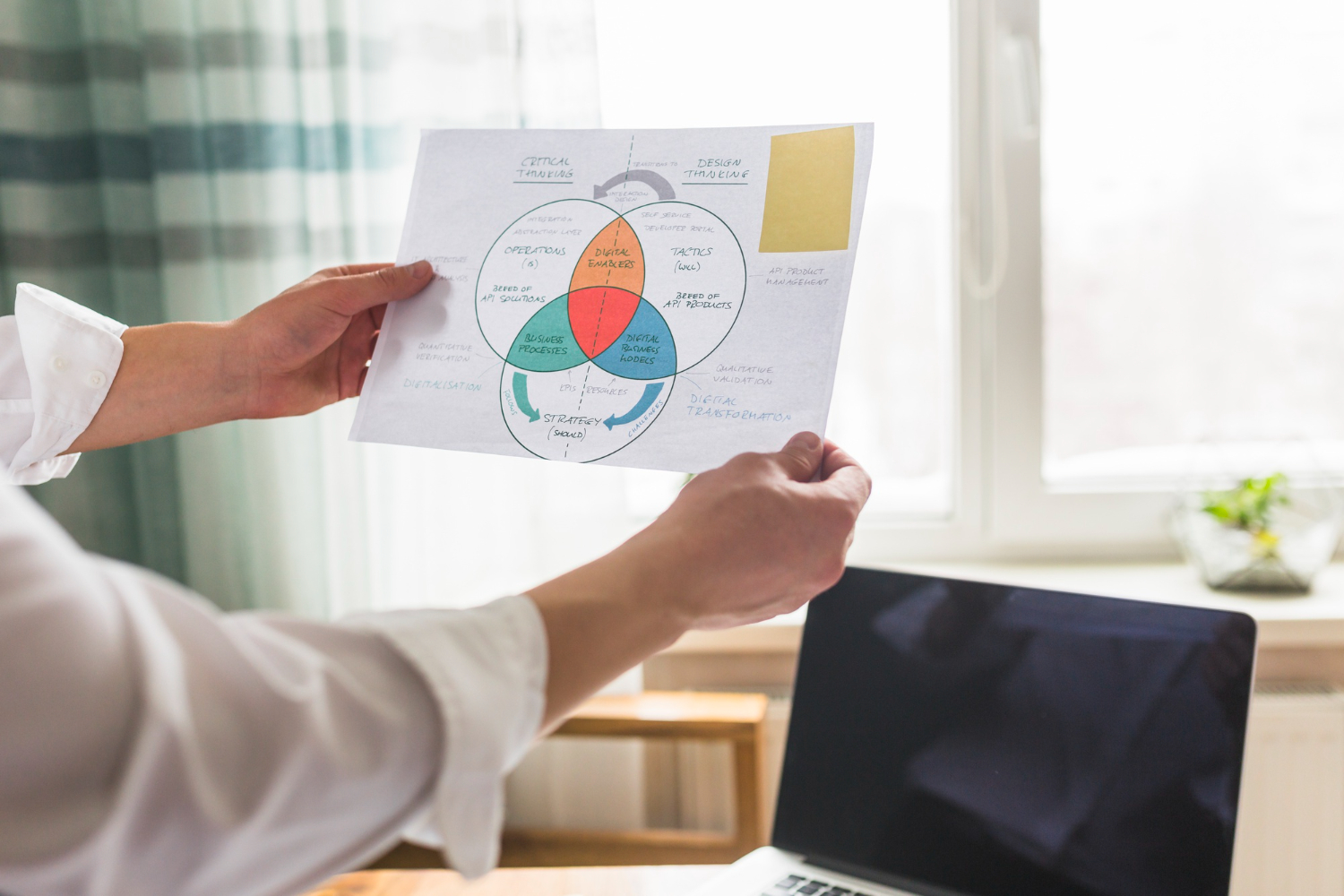
Balanced Scorecard Consultant Philippines
What is Balanced Scorecard
What is the Balanced Scorecard?
A Practical Guide to Strategic Planning and Performance Management for Organizations in the Philippines
In today’s fast-changing business environment, many organizations struggle not because they lack talented people, but because they lack strategic clarity, alignment, execution discipline, and measurable direction.
Many companies create strategic plans that end up sitting inside folders, PowerPoint presentations, or framed documents hanging on office walls—without ever becoming part of day-to-day operations.
This is exactly why the Balanced Scorecard (BSC) became one of the world’s most respected strategic management frameworks.
Whether you are a corporation, government agency, cooperative, school, hospital, manufacturing company, logistics company, BPO, or family business in the Philippines, the Balanced Scorecard helps transform strategy into actionable and measurable execution.
If you are searching for a:
• Strategic Planning Consultant in the Philippines
• Strategic Planning Facilitator in the Philippines
• Strategic Planning Trainer in the Philippines
• Strategic Planning Speaker in the Philippines
• Balanced Scorecard Consultant in the Philippines
• Balanced Scorecard Facilitator in the Philippines
• Balanced Scorecard Trainer in the Philippines
• Balanced Scorecard Speaker in the Philippines
…then understanding the Balanced Scorecard framework is one of the best places to start.
________________________________________
What is the Balanced Scorecard?
The Balanced Scorecard (BSC) is a strategic planning and performance management framework developed by Dr. Robert Kaplan and Dr. David Norton.
It helps organizations:
• Clarify strategy
• Align departments and teams
• Translate goals into measurable objectives
• Monitor performance
• Improve accountability
• Strengthen execution
• Drive continuous improvement
Instead of measuring success based only on financial results, the Balanced Scorecard provides a balanced view of organizational performance through multiple strategic perspectives.
The framework answers an important question:
“How do we know if our organization is truly moving toward its long-term vision and strategy?”
________________________________________
Why is it Called “Balanced” Scorecard?
Traditional organizations often focus too heavily on financial metrics alone:
• Revenue
• Profit
• Cost reduction
• Sales growth
But financial results are usually lagging indicators.
The Balanced Scorecard recognizes that sustainable success also depends on:
• Customer satisfaction
• Operational efficiency
• Employee capability
• Innovation
• Leadership effectiveness
• Organizational culture
• Learning and development
That is why it balances both:
• Short-term and long-term goals
• Financial and non-financial measures
• Internal and external perspectives
• Leading and lagging indicators
________________________________________
The 4 Perspectives of the Balanced Scorecard
The traditional Balanced Scorecard framework includes four major perspectives.
1. Financial Perspective
This measures how the organization performs financially.
Common KPIs include:
• Revenue growth
• Profitability
• Return on investment
• Cost efficiency
• Cash flow
• Budget utilization
Example strategic objective:
“Increase profitability through operational efficiency.”
________________________________________
2. Customer Perspective
This measures how customers perceive the organization.
Common KPIs include:
• Customer satisfaction
• Customer retention
• Net Promoter Score (NPS)
• Service quality
• Complaint resolution
• Market share
Example strategic objective:
“Improve customer experience and client loyalty.”
________________________________________
3. Internal Process Perspective
This focuses on operational excellence and internal systems.
Common KPIs include:
• Process turnaround time
• Error reduction
• Productivity
• Quality compliance
• Project completion rate
• Innovation initiatives
Example strategic objective:
“Streamline internal processes to improve operational efficiency.”
________________________________________
4. Learning and Growth Perspective
This focuses on people, culture, leadership, technology, and innovation.
Common KPIs include:
• Employee engagement
• Training effectiveness
• Leadership readiness
• Competency development
• Succession planning
• Innovation culture
Example strategic objective:
“Develop future-ready leaders and high-performing teams.”
________________________________________
What Makes the Balanced Scorecard Powerful?
The Balanced Scorecard is not just a KPI tool.
It is a strategic execution system.
A properly facilitated Balanced Scorecard process helps organizations:
• Align everyone toward common goals
• Cascade strategy from top management to departments
• Strengthen accountability
• Connect performance management with strategy
• Improve strategic decision-making
• Identify performance gaps early
• Encourage cross-functional collaboration
This is why many organizations engage a:
• Strategic Planning Consultant in the Philippines
• Balanced Scorecard Facilitator in the Philippines
• Strategic Planning Trainer in the Philippines
• Balanced Scorecard Speaker in the Philippines
…to guide leadership teams through the process professionally.
________________________________________
What is a Strategy Map?
One of the most powerful tools within the Balanced Scorecard framework is the Strategy Map.
A strategy map visually shows:
• Strategic objectives
• Cause-and-effect relationships
• Organizational priorities
• Strategic flow from people to processes to customers to financial results
For example:
Learning & Growth
↓
Improved Internal Processes
↓
Better Customer Experience
↓
Higher Financial Performance
This helps leaders understand:
“If we improve this area, how will it impact the rest of the organization?”
A strategy map transforms strategy from abstract ideas into a clear visual roadmap.
________________________________________
Common Problems Solved by the Balanced Scorecard
Organizations in the Philippines often experience problems such as:
• Departments working in silos
• Lack of accountability
• Conflicting priorities
• Weak execution
• Employees not understanding company direction
• KPI overload without strategic alignment
• Vision and mission not translating into action
• Reactive instead of proactive management
The Balanced Scorecard helps solve these issues by creating alignment and strategic focus.
________________________________________
Balanced Scorecard in the Philippine Setting
The Balanced Scorecard is highly effective for organizations in the Philippines, including:
• Private Companies
• Manufacturing
• Logistics
• BPO/shared services
• Retail
• Hospitality
• Construction
• Technology
• Healthcare
• Government Agencies
The Balanced Scorecard is commonly used for:
• Strategic planning
• Performance governance
• Public accountability
• Service delivery improvement
• Cooperatives and Non-Profit Organizations
It helps align:
• Member value
• Community impact
• Financial sustainability
• Operational efficiency
________________________________________
Why Many Strategic Plans Fail
Many strategic plans fail because organizations:
• Focus only on planning
• Lack execution discipline
• Do not assign measurable KPIs
• Fail to communicate strategy properly
• Do not cascade objectives
• Lack strategic review systems
The Balanced Scorecard addresses these challenges by creating:
• Strategic alignment
• Measurable accountability
• Performance visibility
• Regular review mechanisms
________________________________________
The Role of a Strategic Planning Consultant or Facilitator
A professional Strategic Planning Consultant in the Philippines or Balanced Scorecard Facilitator in the Philippines helps organizations:
• Conduct strategic assessments
• Facilitate strategic planning workshops
• Clarify vision, mission, and strategic priorities
• Build strategy maps
• Design KPIs and scorecards
• Align departments
• Create implementation roadmaps
• Facilitate cascading sessions
• Monitor execution effectiveness
An experienced facilitator ensures that strategic planning becomes practical, measurable, and actionable—not just theoretical.
________________________________________
Benefits of Hiring a Balanced Scorecard Consultant in the Philippines
Organizations often engage a Balanced Scorecard Consultant in the Philippines because they need:
• An external strategic perspective
• Objective facilitation
• Structured methodology
• KPI expertise
• Executive alignment
• Strategic workshop facilitation
• Guidance on cascading goals
• Help translating strategy into operations
A seasoned consultant also helps organizations avoid common strategic planning mistakes.
________________________________________
Balanced Scorecard Training and Workshops in the Philippines
Many organizations invest in:
• Balanced Scorecard Training
• Strategic Planning Workshops
• KPI Development Workshops
• Strategy Mapping Sessions
• Performance Management Training
• Leadership Strategic Thinking Programs
These programs are commonly facilitated by:
• Balanced Scorecard Trainers in the Philippines
• Strategic Planning Trainers in the Philippines
• Strategic Planning Speakers in the Philippines
• Balanced Scorecard Speakers in the Philippines
The goal is not only to teach concepts but also to help organizations build practical strategic execution capabilities.
________________________________________
Balanced Scorecard vs Traditional KPI Systems
Traditional KPI systems often create:
• Too many disconnected metrics
• Departmental competition
• Activity-based measurement instead of outcome-based measurement
The Balanced Scorecard improves this by ensuring KPIs are:
• Strategically aligned
• Balanced across perspectives
• Connected to organizational goals
• Measurable and actionable
This creates better organizational focus.
________________________________________
Is the Balanced Scorecard Only for Large Companies?
No.
The Balanced Scorecard can be customized for:
• Small businesses
• Medium enterprises
• Startups
• Family businesses
• Corporations
• Government agencies
• NGOs
• Cooperatives
The key is proper facilitation and customization.
________________________________________
Final Thoughts
The Balanced Scorecard remains one of the most effective frameworks for organizations that want to move from:
• Vision → Execution
• Planning → Results
• Strategy → Accountability
• Goals → Measurable Outcomes
It transforms strategy from a document into a living management system.
Organizations that succeed long-term are usually not the ones with the most complicated strategies.
They are the ones that execute consistently, align people effectively, measure what matters, and adapt strategically.
That is the real power of the Balanced Scorecard.
________________________________________
Looking for a Strategic Planning or Balanced Scorecard Expert in the Philippines?
If your organization is looking for:
• Strategic Planning Consultant in the Philippines
• Strategic Planning Facilitator in the Philippines
• Strategic Planning Trainer in the Philippines
• Strategic Planning Speaker in the Philippines
• Balanced Scorecard Consultant in the Philippines
• Balanced Scorecard Facilitator in the Philippines
• Balanced Scorecard Trainer in the Philippines
• Balanced Scorecard Speaker in the Philippines
consider working with experienced professionals who can help your organization:
• Clarify strategy
• Align leadership teams
• Develop KPIs
• Build strategy maps
• Improve execution
• Strengthen accountability
• Drive measurable organizational results
A well-facilitated strategic planning process can significantly improve organizational focus, performance, and long-term sustainability.
Strategy Map
What is a Strategy Map? A Complete Guide for Organizations in the Philippines
One of the biggest challenges organizations face is this:
They have a strategy—but people don’t understand how everything connects.
Departments work hard.
Teams deliver results.
But somehow, the organization still struggles to achieve its long-term goals.
Why?
Because strategy is often not clearly visualized and aligned.
This is where a Strategy Map becomes a powerful tool.
Used by top organizations and recommended by every experienced Strategic Planning Consultant in the Philippines, a strategy map helps translate strategy into a clear, visual, and executable framework.
What is a Strategy Map?
A Strategy Map is a visual representation of an organization’s strategy that shows:
✔ Strategic objectives
✔ Relationships between objectives
✔ Cause-and-effect linkages
✔ How value is created
It is a core component of the Balanced Scorecard framework and is commonly used in strategic planning workshops facilitated by a Strategic Planning Facilitator in the Philippines.
In simple terms:
A strategy map shows how your organization moves from activities to results.
Why Strategy Maps are Important
Many organizations struggle with:
- Disconnected initiatives
• Conflicting priorities
• Lack of alignment
• Poor execution
A strategy map solves these by:
✔ Aligning everyone on the same direction
✔ Clarifying priorities
✔ Showing how different objectives contribute to results
✔ Improving communication across the organization
The Structure of a Strategy Map
A strategy map is typically structured using the four perspectives of the Balanced Scorecard:
- Financial Perspective (Top Layer)
This represents the ultimate goal of the organization.
Examples:
- Increase revenue
• Improve profitability
• Reduce costs
This answers:
“What results do we want to achieve?”
- Customer Perspective
This defines how the organization creates value for its customers.
Examples:
- Improve customer satisfaction
• Increase customer retention
• Expand market share
This answers:
“How do we win in the market?”
- Internal Process Perspective
This identifies the key processes that must be optimized.
Examples:
- Improve operational efficiency
• Enhance service delivery
• Strengthen quality control
This answers:
“What must we excel at internally?”
- Learning and Growth Perspective (Foundation)
This focuses on people, culture, and capabilities.
Examples:
- Develop employee skills
• Strengthen leadership
• Foster innovation
This answers:
“How do we sustain long-term success?”
How a Strategy Map Works
The power of a strategy map lies in its cause-and-effect relationships.
For example:
- Training employees (Learning & Growth)
→ improves processes (Internal)
→ enhances customer satisfaction (Customer)
→ increases revenue (Financial)
A Strategic Planning Trainer in the Philippines helps organizations clearly define these connections.
Key Benefits of Using a Strategy Map
Organizations that use strategy maps effectively experience:
✔ Clear strategic direction
✔ Strong leadership alignment
✔ Better communication across teams
✔ Focused execution of priorities
✔ Improved performance tracking
This is why many organizations engage a Strategic Planning Consultant in the Philippines to develop their strategy maps.
Common Mistakes in Strategy Mapping
Despite its simplicity, many organizations misuse strategy maps by:
- Listing objectives without connections
• Including too many objectives
• Failing to align departments
• Not updating the map regularly
A properly facilitated session ensures that the strategy map remains:
✔ Clear
✔ Focused
✔ Relevant
✔ Actionable
Strategy Map vs Traditional Planning
Traditional planning often results in:
- Long documents
• Complex presentations
• Limited understanding
A strategy map simplifies everything into a single visual framework that everyone can understand.
How to Create a Strategy Map
Creating a strategy map typically involves:
- Defining Strategic Objectives
Identify key goals across all perspectives.
- Organizing Objectives by Perspective
Group them into Financial, Customer, Internal, and Learning & Growth.
- Establishing Cause-and-Effect Relationships
Connect objectives to show how value is created.
- Validating Alignment
Ensure all objectives support the overall strategy.
- Integrating with KPIs and Initiatives
Link the map to measurable indicators and action plans.
Why Work with a Strategy Map Facilitator in the Philippines
Creating an effective strategy map requires:
- Strategic thinking
• Facilitation expertise
• Leadership alignment
• Experience with frameworks
A professional Strategic Planning Facilitator in the Philippines ensures that your strategy map is:
✔ Logical
✔ Aligned
✔ Easy to understand
✔ Ready for execution
Final Thoughts
A strategy map is more than a diagram.
It is a powerful communication and execution tool that transforms strategy into a clear and aligned direction.
If your organization wants to move from:
- Confusion → Clarity
• Misalignment → Alignment
• Planning → Execution
Then a strategy map is one of the most valuable tools you can use.
Work with a Strategic Planning Expert in the Philippines
If you want to develop a strategy map that drives real results, don’t just create visuals—build a system that works.
👉 Partner with Mentor Myron Sta. Ana – Your Strategy Guy
Strategic Planning Consultant, Trainer, Facilitator, and Speaker in the Philippines
✔ Strategy Mapping and Balanced Scorecard
✔ Strategic Planning Facilitation
✔ Leadership Strategy Workshops
✔ Strategy Execution Coaching
Visualize your strategy. Align your organization. Execute with confidence.
KPI systems
KPI Systems: How Organizations in the Philippines Measure and Achieve Strategic Success
One of the biggest reasons strategies fail is simple:
Organizations don’t measure what truly matters.
They create plans.
They define goals.
They launch initiatives.
But without a proper system to track performance, everything becomes unclear.
This is where a KPI System becomes essential.
Used by top-performing organizations and recommended by every experienced Strategic Planning Consultant in the Philippines, a KPI system ensures that strategy is not just planned—but measured, monitored, and executed effectively.
What is a KPI System?
A KPI (Key Performance Indicator) System is a structured framework used to:
✔ Define measurable indicators of success
✔ Track performance against strategic objectives
✔ Align teams and departments
✔ Support data-driven decision-making
It is not just a list of metrics.
A KPI system connects:
Strategy → Objectives → Metrics → Results
This is why organizations working with a Strategic Planning Facilitator in the Philippines prioritize building strong KPI systems.
Why KPI Systems are Important
Without a KPI system, organizations often face:
- Lack of clarity on priorities
• Inconsistent performance tracking
• Poor accountability
• Misaligned teams
A well-designed KPI system solves these by:
✔ Making performance measurable
✔ Creating accountability
✔ Aligning daily work with strategy
✔ Enabling timely decision-making
KPI Systems and Strategic Planning
A KPI system is not separate from strategy—it is a core part of strategy execution.
A Strategic Planning Consultant in the Philippines ensures that:
- Every strategic objective has a KPI
• Every KPI has a target
• Every target is tracked regularly
This ensures that strategy becomes visible and measurable across the organization.
Types of KPIs in a KPI System
A balanced KPI system includes different types of indicators:
- Financial KPIs
Measure financial performance.
Examples:
- Revenue growth
• Profit margins
• Cost efficiency
- Customer KPIs
Measure customer-related outcomes.
Examples:
- Customer satisfaction
• Retention rate
• Market share
- Operational KPIs
Measure internal processes.
Examples:
- Productivity
• Cycle time
• Quality metrics
- People and Capability KPIs
Measure organizational growth and development.
Examples:
- Employee engagement
• Training effectiveness
• Leadership development
A Strategic Planning Trainer in the Philippines ensures that KPIs are balanced—not just focused on financial results.
Key Components of an Effective KPI System
A high-performing KPI system includes:
- Clear Definition
Each KPI must be:
- Specific
• Measurable
• Easy to understand
- Target Setting
Every KPI must have a defined target.
Example:
- Increase customer satisfaction from 85% to 92%
- Ownership
Each KPI must have a responsible owner.
This ensures accountability and follow-through.
- Measurement Frequency
KPIs must be tracked regularly:
- Daily
• Weekly
• Monthly
• Quarterly
- Reporting and Visualization
KPIs should be presented through:
- Dashboards
• Scorecards
• Reports
A Strategic Planning Facilitator in the Philippines ensures that KPI data is easy to interpret and act on.
Common KPI System Mistakes
Many organizations fail in KPI implementation because they:
- Track too many KPIs
• Choose irrelevant metrics
• Focus only on financial indicators
• Do not review KPIs regularly
• Fail to align KPIs with strategy
The result?
A system that exists—but does not drive results.
KPI Systems and Balanced Scorecard
A KPI system becomes even more powerful when integrated with the Balanced Scorecard.
This ensures that KPIs are aligned across:
- Financial performance
• Customer value
• Internal processes
• Learning and growth
A Strategic Planning Consultant in the Philippines often integrates KPI systems within a Balanced Scorecard framework for maximum impact.
Benefits of a Strong KPI System
Organizations with effective KPI systems experience:
✔ Clear performance visibility
✔ Strong accountability
✔ Faster decision-making
✔ Improved execution of strategy
✔ Better overall results
KPI Systems vs Traditional Metrics
Traditional metrics are often:
- Isolated
• Department-based
• Reactive
A KPI system is:
- Integrated
• Strategy-driven
• Proactive
This is the difference between tracking activity and driving results.
How to Build a KPI System
Building a KPI system typically involves:
- Defining Strategic Objectives
Start with your strategy.
- Identifying Relevant KPIs
Choose metrics that truly measure success.
- Setting Targets
Define clear and realistic goals.
- Assigning Ownership
Ensure accountability.
- Implementing Tracking Systems
Use dashboards and reports.
- Conducting Regular Reviews
Monitor performance and adjust as needed.
Why Work with a KPI System Consultant in the Philippines
Designing an effective KPI system requires:
- Strategic alignment
• Technical expertise
• Organizational understanding
• Facilitation skills
A professional Strategic Planning Facilitator in the Philippines ensures that your KPI system is:
✔ Aligned with strategy
✔ Easy to implement
✔ Focused on results
✔ Sustainable over time
Final Thoughts
A strategy without measurement is just an idea.
A KPI system transforms that idea into:
- Measurable performance
• Clear accountability
• Consistent execution
If your organization wants to move from:
- Guesswork → Data-driven decisions
• Activity → Results
• Plans → Performance
Then a strong KPI system is essential.
Work with a Strategic Planning Expert in the Philippines
If you want to build a KPI system that truly drives results, don’t just track numbers—build a system that aligns your entire organization.
👉 Partner with Mentor Myron Sta. Ana – Your Strategy Guy
Strategic Planning Consultant, Trainer, Facilitator, and Speaker in the Philippines
✔ KPI Systems and Balanced Scorecard
✔ Strategic Planning Facilitation
✔ Leadership Strategy Workshops
✔ Strategy Execution Coaching
Measure what matters. Align your organization. Achieve real results.
Performance dashboards
Performance Dashboards: Turning Strategy into Real-Time Results for Organizations in the Philippines
Many organizations have strategies.
Some even have KPIs.
But here’s the problem:
They still don’t see what’s really happening in real time.
Reports are delayed.
Data is scattered.
Decisions are reactive.
This is where Performance Dashboards become essential.
Used by high-performing organizations and recommended by any experienced Strategic Planning Consultant in the Philippines, performance dashboards transform strategy into visible, real-time performance insights.
What are Performance Dashboards?
A Performance Dashboard is a visual tool that displays key performance indicators (KPIs) in a clear, real-time, and easy-to-understand format.
It allows leaders to:
✔ Monitor performance at a glance
✔ Track progress toward strategic goals
✔ Identify issues early
✔ Make faster, data-driven decisions
It is a critical component of strategy execution systems implemented by a Strategic Planning Facilitator in the Philippines.
Why Performance Dashboards Matter
Without dashboards, organizations often experience:
- Delayed reporting
• Inconsistent data
• Lack of visibility
• Slow decision-making
A well-designed performance dashboard solves these by:
✔ Providing real-time insights
✔ Centralizing data
✔ Improving transparency
✔ Enabling proactive management
Performance Dashboards and Strategic Planning
A dashboard is not just a reporting tool—it is a strategy execution tool.
A Strategic Planning Consultant in the Philippines ensures that dashboards are aligned with:
- Strategic objectives
• KPI systems
• Balanced Scorecard frameworks
This ensures that:
What you measure is directly linked to what you want to achieve.
Types of Performance Dashboards
Different dashboards serve different purposes:
- Executive Dashboard
Used by top management to monitor overall performance.
Includes:
- High-level KPIs
• Strategic objectives
• Financial and organizational metrics
- Operational Dashboard
Used by managers to track day-to-day performance.
Includes:
- Productivity metrics
• Process efficiency
• Service delivery indicators
- Departmental Dashboard
Focused on specific teams or functions.
Includes:
- Sales performance
• HR metrics
• Marketing results
A Strategic Planning Trainer in the Philippines ensures dashboards are relevant to each level of the organization.
Key Features of an Effective Performance Dashboard
A high-impact dashboard must be:
- Simple and Clear
Avoid clutter.
Focus only on key metrics that matter.
- Real-Time or Regularly Updated
Data must be current to support timely decisions.
- Visually Intuitive
Use:
- Charts
• Graphs
• Color indicators
A Strategic Planning Facilitator in the Philippines ensures dashboards are easy to interpret.
- Aligned with Strategy
Every metric must link back to strategic objectives.
- Action-Oriented
Dashboards should not just show data—they should drive action.
Common Mistakes in Performance Dashboards
Many organizations fail because they:
- Include too many metrics
• Focus on vanity metrics
• Use outdated data
• Fail to link dashboards to strategy
• Do not review dashboards regularly
The result?
A dashboard that exists—but does not drive results.
Benefits of Performance Dashboards
Organizations that use dashboards effectively experience:
✔ Better decision-making
✔ Faster response to issues
✔ Improved accountability
✔ Greater transparency
✔ Stronger execution of strategy
Performance Dashboards vs Traditional Reports
Traditional reports are:
- Static
• Delayed
• Hard to interpret
Performance dashboards are:
- Dynamic
• Real-time
• Visual and actionable
This is the difference between looking at the past and managing the present.
How to Build a Performance Dashboard
Creating an effective dashboard involves:
- Identifying Key KPIs
Focus on metrics that matter most.
- Aligning with Strategic Objectives
Ensure every KPI supports the strategy.
- Designing the Dashboard Layout
Organize information for clarity and usability.
- Integrating Data Sources
Connect systems for accurate and timely data.
- Establishing Review Processes
Regularly analyze and act on insights.
Performance Dashboards and Balanced Scorecard
When combined with the Balanced Scorecard, dashboards become even more powerful.
They allow organizations to monitor:
- Financial performance
• Customer outcomes
• Internal processes
• Learning and growth
A Strategic Planning Consultant in the Philippines integrates dashboards into a complete strategy execution system.
Why Work with a Performance Dashboard Consultant in the Philippines
Designing dashboards requires:
- Strategic alignment
• Data understanding
• Visualization expertise
• Facilitation skills
A professional Strategic Planning Facilitator in the Philippines ensures your dashboards are:
✔ Relevant
✔ Clear
✔ Actionable
✔ Aligned with your strategy
Final Thoughts
A strategy without visibility is difficult to execute.
Performance dashboards provide that visibility by turning data into:
- Insights
• Decisions
• Actions
If your organization wants to move from:
- Delayed reporting → Real-time insights
• Confusion → Clarity
• Data → Decisions
Then performance dashboards are essential.
Work with a Strategic Planning Expert in the Philippines
If you want to build dashboards that truly drive results, don’t just visualize data—align it with your strategy.
👉 Partner with Mentor Myron Sta. Ana – Your Strategy Guy
Strategic Planning Consultant, Trainer, Facilitator, and Speaker in the Philippines
✔ KPI Systems and Performance Dashboards
✔ Balanced Scorecard Consulting
✔ Strategic Planning Facilitation
✔ Strategy Execution Coaching
See your strategy. Measure your progress. Execute with confidence.
Get in touch today at +639958462495
or email me at iam@yourstrategyguy.com
Start building your strategy today—let’s turn your vision into a clear, actionable plan.